


Cutting disc vs grinding disc is a common question when choosing abrasive tools for metal processing. Although both products look similar, they are designed for completely different purposes.
A cutting disc is mainly used to separate materials through fast and precise cutting, while a grinding disc is designed for removing excess material, smoothing surfaces, and improving the finish of metal components.
Choosing the correct abrasive disc can improve working efficiency, reduce operating costs, extend tool life, and ensure safer working conditions.
In this guide, KELIEF, a professional resin abrasive disc manufacturer, will explain the key differences between cutting discs and grinding discs, including their applications, thickness, structure, working methods, and how to select the right abrasive tool for different metal processing requirements.
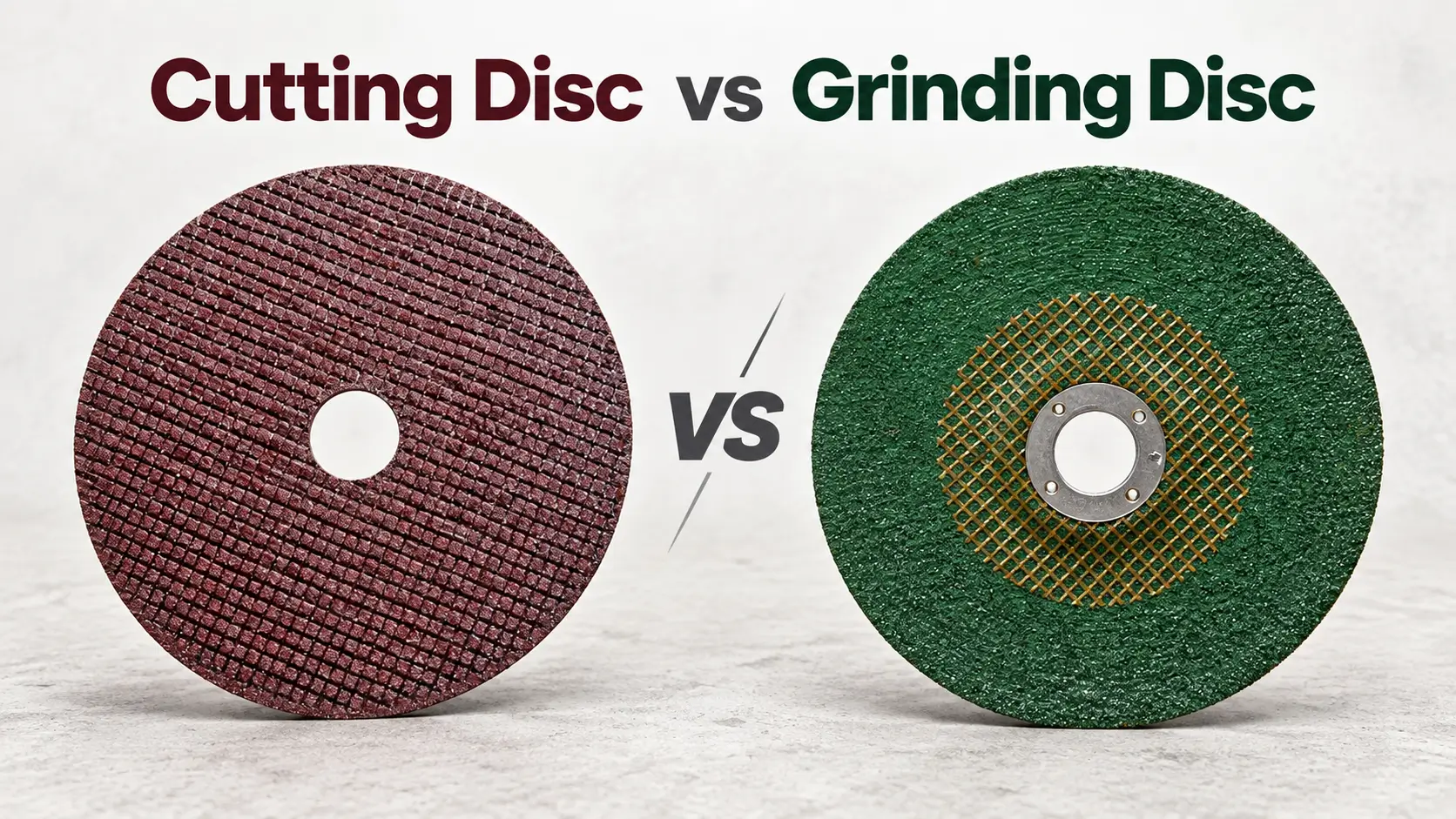
Cutting Disc vs Grinding Disc: Main Differences
The biggest difference between a cutting disc and a grinding disc is their purpose.
A cutting disc is manufactured for cutting and separating materials. It works mainly through the outer edge of the disc and is designed to create clean and accurate cuts.
A grinding disc is manufactured for surface grinding, material removal, and finishing operations. It works through the larger side surface area of the disc to remove unwanted material.
Cutting Disc vs Grinding Disc: Applications
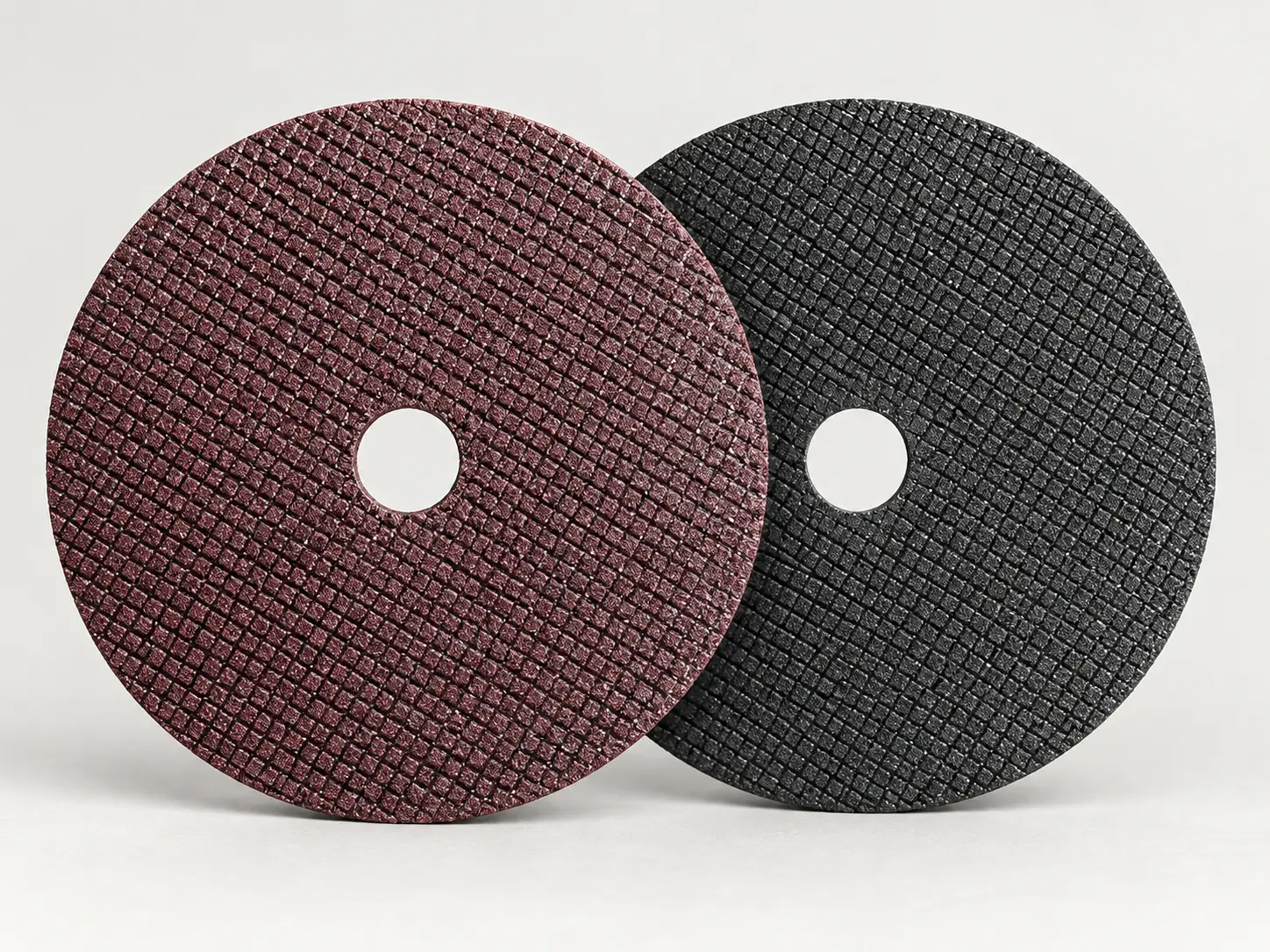
Cutting Disc Applications
Cutting discs are widely used for cutting:
- Carbon steel
- Stainless steel
- Metal pipes
- Steel bars
- Sheet metal
- Construction materials
Because cutting discs are thin and designed for fast material separation, they are commonly used with angle grinders and cutting machines.
For example, a thin resin cutting disc allows operators to make fast cuts with less material loss and lower cutting resistance.
Grinding Disc Applications
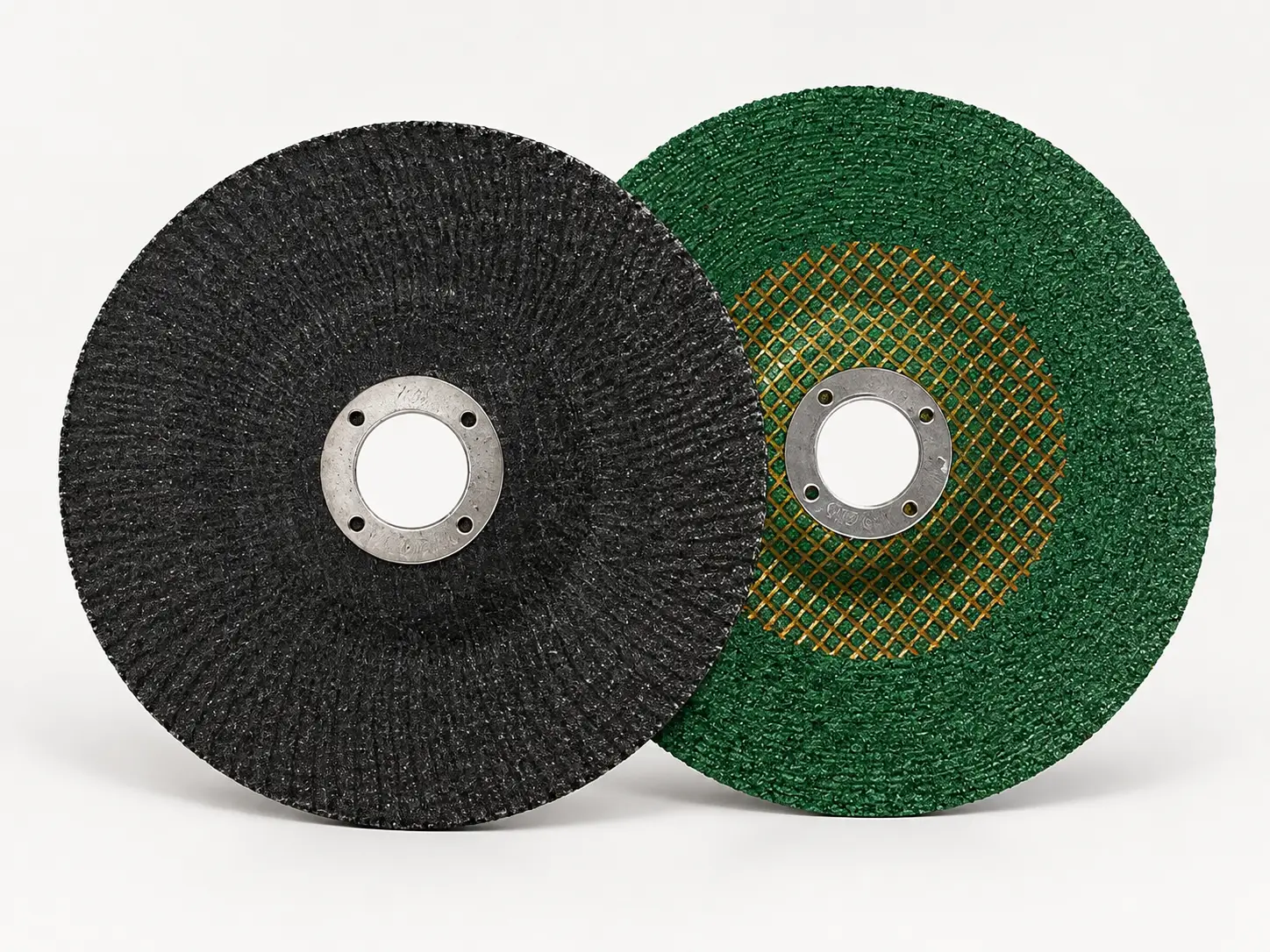
Grinding discs are mainly used for:
- Removing weld seams
- Surface cleaning
- Removing rust and burrs
- Smoothing rough edges
- Preparing metal surfaces
Compared with cutting discs, grinding discs are thicker and stronger, allowing them to withstand higher side pressure during grinding operations.
Difference in Thickness and Design
Thickness is one of the easiest ways to distinguish cutting discs and grinding discs.
Cutting Disc Thickness
Cutting discs are usually thinner, commonly around:
- 1.0 mm
- 1.2 mm
- 1.6 mm
- 2.0 mm
- 2.5 mm
- 3.0 mm
The thin design reduces cutting resistance and helps achieve faster and cleaner cuts.
Grinding Disc Thickness
Grinding discs are much thicker, commonly around:
- 4 mm
- 5 mm
- 6 mm
- 7 mm
The thicker structure provides better durability and allows the disc to withstand pressure during grinding.
Difference in Structure and Materials
Both cutting discs and grinding discs are resin bonded abrasive products, but their structures are optimized for different working conditions.
Cutting Disc Structure
A resin cutting disc usually contains:
- Abrasive grains
- Resin bond
- Fiberglass reinforcement layers
The structure is designed to maintain sharp cutting ability and stability during high-speed rotation.
Grinding Disc Structure
A resin grinding disc usually has:
- Higher thickness
- Stronger reinforcement
- More durable abrasive structure
This design allows continuous grinding operations and better resistance against pressure.
Difference in Working Method
The working method is another important difference between cutting discs and grinding discs.
How Cutting Discs Work
Cutting discs should be used vertically against the material.
The cutting action happens mainly through the outer edge of the disc.
Operators should avoid applying side pressure because cutting discs are designed for straight cutting only.
How Grinding Discs Work
Grinding discs are normally used at an angle against the workpiece.
The side surface of the disc removes material gradually and improves the surface condition.
Correct operating angle and pressure can improve grinding efficiency and extend disc service life.
Can You Use a Cutting Disc for Grinding?
A cutting disc should not be used for grinding operations.
Because cutting discs are thinner, using side pressure during grinding may damage the disc and create safety risks.
If you need to remove material or finish a metal surface, a proper grinding disc should be selected.
Can You Use a Grinding Disc for Cutting?
Grinding discs are too thick for precision cutting.
Using a grinding disc for cutting will create:
- Slow cutting speed
- Excessive material waste
- Poor cutting accuracy
- Increased operating risk
Always choose the correct abrasive disc according to the application.
How to Choose the Right Abrasive Disc?
When selecting between a cutting disc and a grinding disc, consider:
1. Application Purpose
Choose a cutting disc when you need to separate materials.
Choose a grinding disc when you need to remove material or improve surface quality.
2. Material Type
Different materials require different abrasive specifications.
Common applications include:
- Carbon steel cutting
- Stainless steel processing
- Metal fabrication
- Construction projects
- Maintenance work
3. Equipment Used
Most resin cutting discs and grinding discs are used with:
- Angle grinders
- Bench grinders
- Cutting machines
- Professional metalworking equipment
Why Choose KELIEF Resin Cutting and Grinding Discs?
KELIEF specializes in manufacturing resin bonded abrasive discs for industrial applications.
Our products focus on:
- Stable cutting performance
- Consistent quality
- Strong reinforcement
- OEM customization
- Different sizes and specifications for global markets
As a professional abrasive disc manufacturer in China, KELIEF provides resin cutting discs and grinding discs for distributors, wholesalers, and industrial users worldwide.
Frequently Asked Questions About Cutting Disc vs Grinding Disc
What is the main difference between cutting disc and grinding disc?
The main difference between cutting disc and grinding disc is their purpose. Cutting discs are designed for separating materials, while grinding discs are designed for removing material and surface finishing.
Can a cutting disc cut metal?
Yes. Cutting discs are widely used for cutting metal materials such as steel, stainless steel, pipes, and metal sheets.
Which disc lasts longer, cutting disc or grinding disc?
Generally, grinding discs have a longer service life because they are thicker and designed for continuous material removal. Cutting discs are thinner and optimized for fast cutting.
How do I choose the correct abrasive disc?
Choose based on your operation. Use cutting discs for cutting and grinding discs for surface grinding, deburring, and finishing.
Conclusion
Understanding the difference between cutting disc vs grinding disc helps users select the right abrasive tool for each application.
Cutting discs provide fast and accurate material separation, while grinding discs provide strong material removal and surface finishing performance.
Choosing the correct resin abrasive disc can improve productivity, reduce costs, and create safer working conditions.
For professional cutting discs and grinding discs, KELIEF provides reliable abrasive solutions for industrial customers worldwide.
